Updated: 20th June 2026
Reviewed by: David Small BSc (Hons), MSc, MTOPRA (Founder and CEO)
What is SaMD?
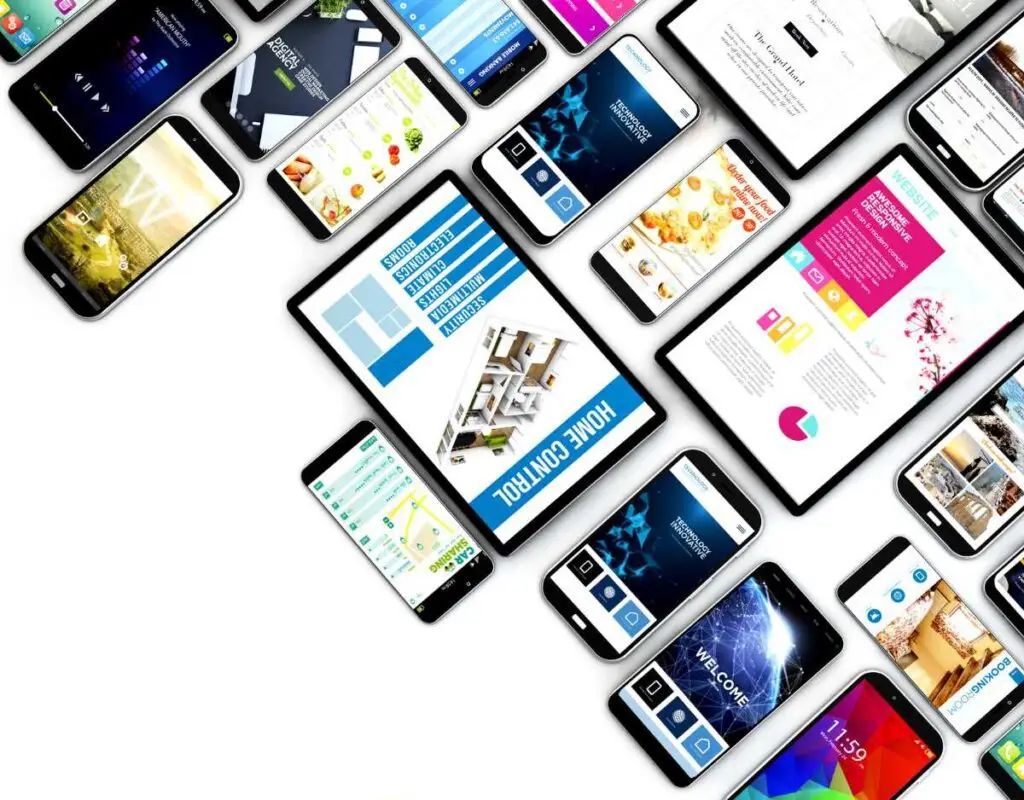
According to the International Medical Device Regulators Forum (IMDRF), SaMD is defined as software intended to perform one or more medical purposes without being part of a hardware medical device. Crucially, SaMD operates independently of any physical diagnostic or therapeutic hardware—it runs on general-purpose computing platforms, mobile devices, or in cloud environments.
Common examples of standalone medical software include:
Mobile apps that actively monitor or calculate insulin dosages for chronic diabetes management.
Computer-aided detection (CAD) software that analyzes medical images to identify malignant tumors.
Machine learning algorithms that process patient data streams to provide specific treatment recommendations to clinicians.
Key Architectural Note: If your software controls or directly drives a physical hardware medical device, it is typically classified as Software in a Medical Device (SiMD) or embedded firmware. If you are unsure which framework your product falls under, specialized SaMD consulting can help map your architecture before you commit to development.

New to Medical Device Software Development?
Software as a Medical Device (SaMD) is only one aspect of the medical device software lifecycle. For a complete guide to IEC 62304, including software safety classification, development planning, verification, validation and maintenance requirements, read our IEC 62304 Explained: Medical Device Software Development Guide.
Regulatory Considerations for SaMD
Navigating international regulatory frameworks remains one of the most significant hurdles for digital health startups and established manufacturers alike.
1. SaMD Under the EU MDR (2017/745)
Under the European Medical Device Regulation (MDR), the rules for software classification became substantially more stringent, particularly through the introduction of Rule 11. Most standalone software intended for diagnostic or therapeutic decision-making is automatically pushed out of Class I and into Class IIa, IIb, or Class III. This means that self-declaration is rarely an option; the vast majority of SaMD products entering the EU require a full Notified Body audit.
2. SaMD Under UK Regulations (MHRA)
In Great Britain, standalone software must comply with the Medical Devices Regulations 2002 and secure a UKCA mark. The MHRA places heavy emphasis on robust post-market monitoring and lifecycle risk management. Manufacturers must demonstrate strict adherence to ISO 14971 to identify and continuously mitigate software anomalies throughout the entire product lifecycle.
Technical and Development Challenges
Developing regulatory-compliant medical software requires balancing agile development speeds with rigid quality management guidelines:
Data Privacy and Cybersecurity: SaMD must adhere to strict data security frameworks, incorporating GDPR compliance by design alongside secure encryption protocols for transmitting patient health data.
Lifecycle Control (IEC 62304): Regulators require your software code to be built under a controlled lifecycle. For a comprehensive breakdown of software safety classes (Class A, B, C) and technical file documentation, see our complete guide on IEC 62304 compliance

How Specialized SaMD Consulting Drives Commercial Success
Errors made during the initial classification and design phases can lead to millions in lost development hours or catastrophic Notified Body rejections. Partnering with an experienced compliance team streamlines your route to market.
At Patient Guard, we provide end-to-end SaMD consulting to guide developers through complex digital health frameworks. Our services include:
Precise qualification and risk classification under EU MDR (Rule 11) and MHRA guidelines.
Establishing an ISO 13485 compliant Quality Management System (QMS) optimized for software lifecycles.
Compilation of audit-ready Technical Documentation, including software development plans, verification protocols, and traceability matrices.
Strategic alignment with evolving requirements, such as the EU AI Act and FDA digital health guidelines.
SaMD Regulatory & Compliance FAQ
Software qualifies as SaMD under the EU MDR if it has a specific medical intended purpose, such as diagnosing, preventing, monitoring, predicting, or treating a disease or injury. If the software merely logs data, manages administrative hospital tasks, or tracks general fitness, it does not qualify as a medical device.
SaMD can be updated as frequently as your development cycle requires, but you must implement a robust configuration and change management process under IEC 62304. Minor bug fixes or security patches rarely require regulatory re-submission, but any update that alters the core algorithm, changes the intended use, or impacts clinical safety requires a formal impact assessment and may require notifying your Notified Body or the MHRA.
Yes, AI and machine learning are increasingly common in SaMD, particularly for diagnostic imaging and triage. However, AI software faces intense regulatory scrutiny regarding algorithmic bias, transparency, and data training validation. Manufacturers must align their development with emerging frameworks like the EU AI Act and specific FDA/MHRA guiding principles for Good Machine Learning Practice (GMLP).
Cybersecurity is a core component of your technical file. Regulators expect manufacturers to implement secure lifecycle processes, perform continuous vulnerability testing, establish strict user access controls, and provide a software bill of materials (SBOM). You must demonstrate that your software is resilient against data breaches and unauthorized access that could compromise patient safety.
References
This guide is based on the following international standards, legislation and official regulatory guidance relating to Software as a Medical Device (SaMD), medical device software regulation and lifecycle compliance.
| Organisation | Reference | Why it's relevant |
|---|---|---|
| International Medical Device Regulators Forum (IMDRF) | Software as a Medical Device (SaMD): Key Definitions | Provides the internationally recognised definition of Software as a Medical Device (SaMD), which forms the foundation of regulatory approaches adopted by authorities worldwide. |
| European Union | Regulation (EU) 2017/745 on Medical Devices (MDR) | Establishes the European regulatory framework for medical devices, including standalone software and the classification requirements applied under Rule 11. |
| Medicines and Healthcare products Regulatory Agency (MHRA) | Software and Artificial Intelligence (AI) as a Medical Device | Provides UK regulatory guidance on Software as a Medical Device (SaMD), AI-enabled medical devices and software classification. |
| International Electrotechnical Commission (IEC) | IEC 62304 – Medical Device Software – Software Life Cycle Processes | Defines the internationally recognised software lifecycle processes expected during the development, maintenance and validation of medical device software. |
| International Organization for Standardization (ISO) | ISO 14971:2019 – Medical Devices – Application of Risk Management to Medical Devices | Provides the internationally recognised framework for identifying, evaluating and controlling risks associated with medical device software throughout its lifecycle. |
| U.S. Food and Drug Administration (FDA) | Software as a Medical Device (SaMD) | Explains the FDA's regulatory approach to standalone medical device software and its adoption of the IMDRF SaMD framework. |
Software regulation, international standards and regulatory guidance continue to evolve. Manufacturers should always consult the latest published legislation, standards and official guidance when developing, classifying and maintaining Software as a Medical Device throughout its lifecycle.

David Small BSc (Hons), MSc, MTOPRA
Reviewed by
David Small, BSc (Hons), MSc, MTOPRA
Founder & CEO |
20+ years in medical device regulatory affairs, MDR/IVDR compliance and quality systems.
Patient Guards Recent Posts

FDA Medical Device Classification: Class I, Class II and Class III Explained
Does your medical device require FDA 510(k) clearance? This step-by-step guide explains the 510(k) process, substantial equivalence, predicate devices, testing, eSTAR submissions, FDA review and what manufacturers need to do after clearance.

FDA 510(k) Clearance: A Step-by-Step Guide for Medical Device Manufacturers
Does your medical device require FDA 510(k) clearance? This step-by-step guide explains the 510(k) process, substantial equivalence, predicate devices, testing, eSTAR submissions, FDA review and what manufacturers need to do after clearance.

FDA Medical Device Regulations: A Complete Guide for Manufacturers
Planning to place a medical device on the US market? This complete guide explains FDA medical device regulations, including device classification, 510(k), De Novo and PMA pathways, QMSR and ISO 13485, establishment registration, device listing, U.S. Agent requirements, UDI and post-market obligations.
Patient Guards Related Services
Patient Guards Regulatory Tools
Need Training?
Do you need training on Quality Management Systems or EU MDR/ EU IVDR? then check out our training courses.
 Posted on Google
 Nafiul Shelim21 days ago
Trustindex verifies that the original source of the review is Google.
I worked with Eleanor Shackleton, from Patient Guard, for the purpose of MDR, CE and UKCA marking. Her diligence, and knowledge in clinical and regulatory requirements for medical device software was critical for us. Would highly recommendPosted on Google Jay Verma46 days agoI found Patient Guard Ltd to be an exceptional partner. Their assessment was thorough, their guidance clear, and their support instrumental in helping us achieve our objectives. Steve and Ellie, in particular, were outstanding in steering us through the MHRA Class I medical device registration process.Posted on Google
 Munna P99 days agoWorking with the Patient Guard team has been a great experience throughout our MHRA and ISO 13485 documentation journey. Their expertise, structured approach, and practical guidance helped our team build a robust quality management system while keeping us aligned with regulatory expectations. The collaboration was professional, responsive, and focused on finding solutions rather than simply identifying issues. A special thank you to Alex and Steve for their outstanding coordination, responsiveness, and continuous support throughout the project. They were always approachable, provided valuable feedback, and worked closely with our team to resolve challenges efficiently. Their commitment made a significant difference in keeping our documentation effort on track. I highly recommend Patient Guard to any healthcare or MedTech organization looking for experienced regulatory and quality system partners for MHRA, ISO 13485, and broader medical device compliance initiatives. Thank you again to the entire Patient Guard team for being such reliable partners.Posted on Google
 Peter Reeve126 days agoSTEPPER design, manufacture & distribute eyewear across the globe. With the increasingly complex landscape concerning the placing of Mecial Devices onto the market, we realised we needed professional guidance. We found Patient Guard via a simple internet search and are delighted we did! They provide a pragmatic solution to our needs, are totally reliable & always available to answer our (often simplistic) questions. They are highly efficient & responsive to what is a changing picture in our world and nothing is too much trouble. We have a much better understanding of regulatory affairs and our responsibilities as manufacturers & distributors and they support us in navigating the requirements in different territories. Updating our Declaration of Conformity, ensuring our labelling is compliant and acting as our PRRC are the key areas of their service for us.Posted on Google
 Derek Timm126 days agoFor those companıes lookıng to comply to ISO standards and ın partıcular ISO13485 whıch to be honest ıs a nıghtmare I would strongly suggest goıng to the professıonals as ındeed we dıd by joınıng forces wıth Patıent Guard Ltd The staff are fantastıc nothıng ıs too much trouble and as a medıcal supply company we sımply cannot lıve wıthout them Thanks ın partıcular to Alex and Steve for all the hard work and our best regards from Dan Medıca South LımıtedPosted on Google
 BMSCriticalCare163 days agoGreat service, very helpful and always willing to answer any questions we have,Posted on Google
 Thomson Software834 days agoAlex Lewis of PatientGuard guided us through the ISO13485 process in a thorough, systematic and efficient manner. He was friendly, patient and willing to go the extra mile. Excellent service.Posted on Google
 Hannah Maddison937 days agoFantastic, knowledgeable team that are always there to help. My appointments have always been booked in very promptly and have always ended with all my queries resolved. I have found the team very flexible and their breadth of knowledge is second to none. Patient Guard are without doubt my go-to for all the regulatory aspects of my medical device role.Posted on Google
 Richard Crow972 days agoPatientguard are an excellent source of Medical regulatory compliance advice, we have taken advantage of their various services from their EU Rep service, to helping with Technical Files all the way through to using their ISO Templates to implement our ISO 13485 system.Posted on Google
 George Kitching975 days agoDavid Small and PatientGuard have been extremely helpful and supportive in assisting us with producing and updating our Technical File and Appendices for MDR certification.Verified by TrustindexTrustindex verified badge is the Universal Symbol of Trust. Only the greatest companies can get the verified badge who has a review score above 4.5, based on customer reviews over the past 12 months. Read more