Medical Device Post-launch

Illustration showing the medical device clinical evaluation process under the EU MDR, with scientific literature, clinical investigations, Post-Market Surveillance, Post-Market Clinical Follow-up, risk management and Clinical Evaluation Reports combining to demonstrate device safety, clinical performance and an acceptable benefit-risk profile for CE marking.

Medical Device Clinical Evaluation: A Complete Guide

Clinical evaluation is a continuous process used to demonstrate that a medical device is safe, achieves its intended clinical performance and maintains an acceptable benefit-risk profile throughout its lifecycle. This comprehensive guide explains the EU MDR clinical evaluation process, including Clinical Evaluation Plans (CEPs), Clinical Evaluation Reports (CERs), clinical evidence, literature reviews, equivalence, Post-Market Clinical Follow-up (PMCF) and ongoing compliance.

Medical Device Clinical Evaluation: A Complete Guide Read More »

Hero image illustrating the process of determining whether a product is a medical device, featuring examples of medical and non-medical products alongside CE Marking and UKCA symbols, highlighting intended purpose, mode of action, medical claims, borderline products and the regulatory pathway under the EU MDR and UK Medical Devices Regulations.

Is My Product a Medical Device? How to Determine Whether the EU MDR or UK Regulations Apply

Determining whether your product is a medical device is the first and most important step towards regulatory compliance. This guide explains how regulators assess intended purpose, mode of action and medical claims, helping you understand whether your product falls within the scope of the EU Medical Device Regulation (MDR), the UK Medical Devices Regulations or the IVDR. Whether you’re developing software, wearable technology, wellness products, cosmetics or innovative healthcare solutions, this article will help you identify the correct regulatory pathway and avoid common classification mistakes.

Is My Product a Medical Device? How to Determine Whether the EU MDR or UK Regulations Apply Read More »

A certificate that says 'ISO 13485 certified' on it - This image is used by patient guard to represent ISO 13485 quality assurance and QMS services.

What is ISO 13485? The Complete Guide to Medical Device QMS

ISO 13485:2016 is the international standout standard that defines the precise requirements for a Quality Management System (QMS) specific to the medical device industry. Unlike general business quality frameworks, it prioritizes patient safety, clinical efficacy, and global regulatory compliance ahead of standard consumer satisfaction metrics.

Whether you are an active medical device manufacturer, a software-as-a-service (SaMD) developer, an importer, or an EU/UK distributor, demonstrating compliance with this standard is virtually mandatory to secure and retain critical market access.

What is ISO 13485? The Complete Guide to Medical Device QMS Read More »

medical device consultancy

Medical Device Regulatory Strategy for Startups: A Complete Guide (2026)

Launching a medical device startup can be an exciting journey, but regulatory requirements are often underestimated during the early stages of product development. Many start-ups focus on innovation, funding, and product design while leaving regulatory planning until later. Unfortunately, this approach can lead to significant delays, increased costs, and even project failure.

A well-defined regulatory strategy should be established as early as possible to ensure your medical device reaches the market efficiently while meeting all applicable regulatory requirements.

In this guide, we explain how medical device startups can build a successful regulatory strategy and avoid common compliance pitfalls.

Medical Device Regulatory Strategy for Startups: A Complete Guide (2026) Read More »

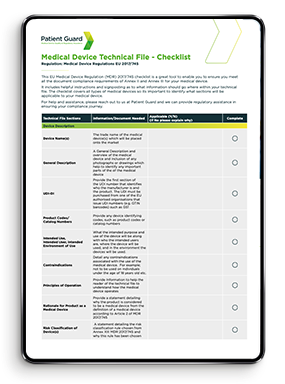
Get the Medical Device Technical Checklist

Thank you! The checklist is now ready to download.