
Medical Device Pre-launch

Untitled-design-87

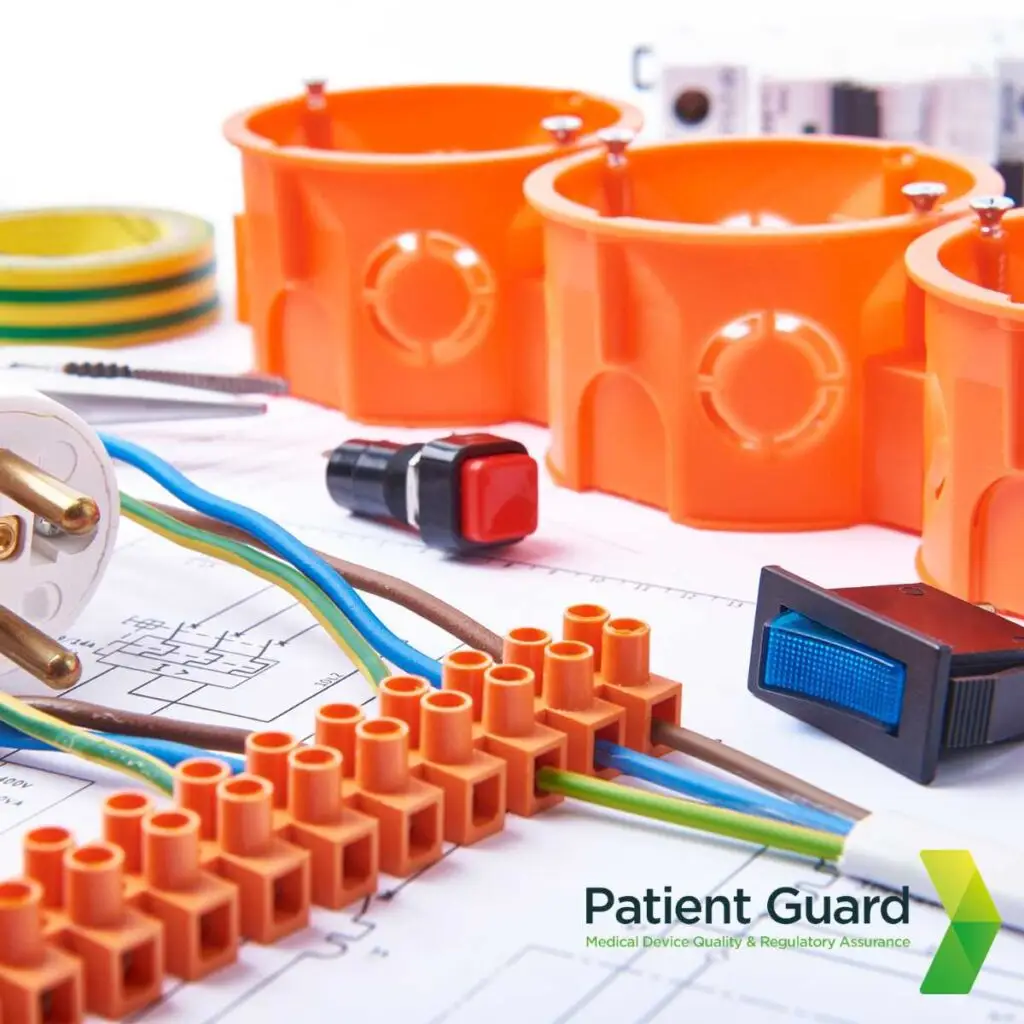
Electrical Safety in Medical Devices

Electrical safety in medical devices is important to ensure that users of electronic medical device equipment are not subject to electrical risks. Medical Device manufacturers must ensure that their electronic devices are safe and that any risks are as low as possible.

Electrical Safety in Medical Devices Read More »
Software as a Medical Device (SaMD)

Software as a Medical Device (SaMD): Regulatory & Development Guide

Software as a Medical Device (SaMD) has fundamentally changed the clinical landscape. From AI-driven diagnostic image scanning to standalone smartphone apps used for real-time clinical decision-making, digital health tools are scaling faster than ever. However, understanding exactly how SaMD is regulated, classified, and maintained is critical to securing market access under current MHRA and EU Notified Body expectations.

Software as a Medical Device (SaMD): Regulatory & Development Guide Read More »

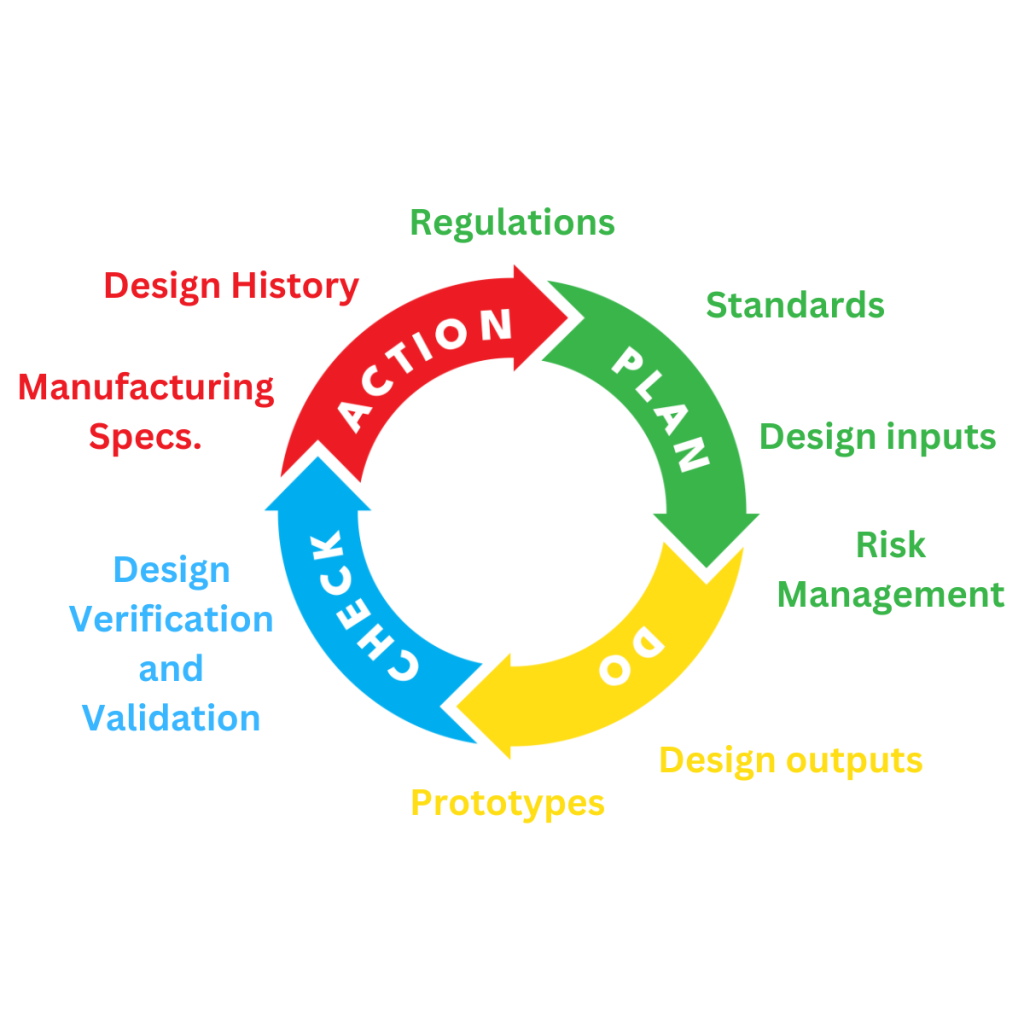
Medical Device Life Cycle following the Plan, Do, Check, Action model. Used by patient guard to explain medical device design and development life cycle which start with medical device regulations, then standards, then design inputs, then risk management, then design outputs, prototypes, design verification and validation, manufacturing specifications and finally design history, before the cycle starts again at regulations.

Medical Device Design and Development

Planning for the design and development of a medical device is a requirement of regulatory systems. All manufacturers of Medical Devices are required to maintain a Quality Management System, in the USA this is determined under the CFR Title 21 part 820. Within the European Union, it is placed within demonstrating certificated compliance with international standard EN ISO 13485. The USA has recently indicated that they will also use the ISO 13485 standard for the requirements of manufacturers being compliant for QMS purposes. 

Medical Device Design and Development Read More »

medical device clinical evaluation.

Medical Device Clinical Evaluation

Learn how medical device clinical evaluation demonstrates safety, clinical performance and regulatory compliance under the EU MDR and UK medical device regulations. This guide explains the Clinical Evaluation Plan (CEP), Clinical Evaluation Report (CER), clinical evidence requirements and post-market obligations.

Medical Device Clinical Evaluation Read More »

is my product a medical device?

Is My Product a Medical Device?

When developing a new and exciting product it can be hard to know if it might fall under specific regulations. This is usually the case with medical devices. The medical device industry is highly regulated worldwide. These regulations have specific criteria that determines if a product falls under the definition of a medical device. Therefore it is really important to evaluate your product to see if it might be in the scope of these medical device definitions for the regulation of the countries in which you wish to sell the product in. 

Is My Product a Medical Device? Read More »

Skin Irritation Testing in the biological evaluation of medical devices (ISO 10993-23)

In Vitro Skin Irritation Testing: ISO 10993-23 Standard

Skin irritation occurs when a substance causes inflammation or damage to the skin upon contact. For medical devices, this can be a serious concern, as they are often in prolonged contact with the skin. The consequences of not adequately testing for irritation can range from minor redness to severe dermatitis, leading to discomfort, injury, or even infection in users. Therefore, reliable testing methods are crucial to ensure that products are safe before they reach the market.

In Vitro Skin Irritation Testing: ISO 10993-23 Standard Read More »

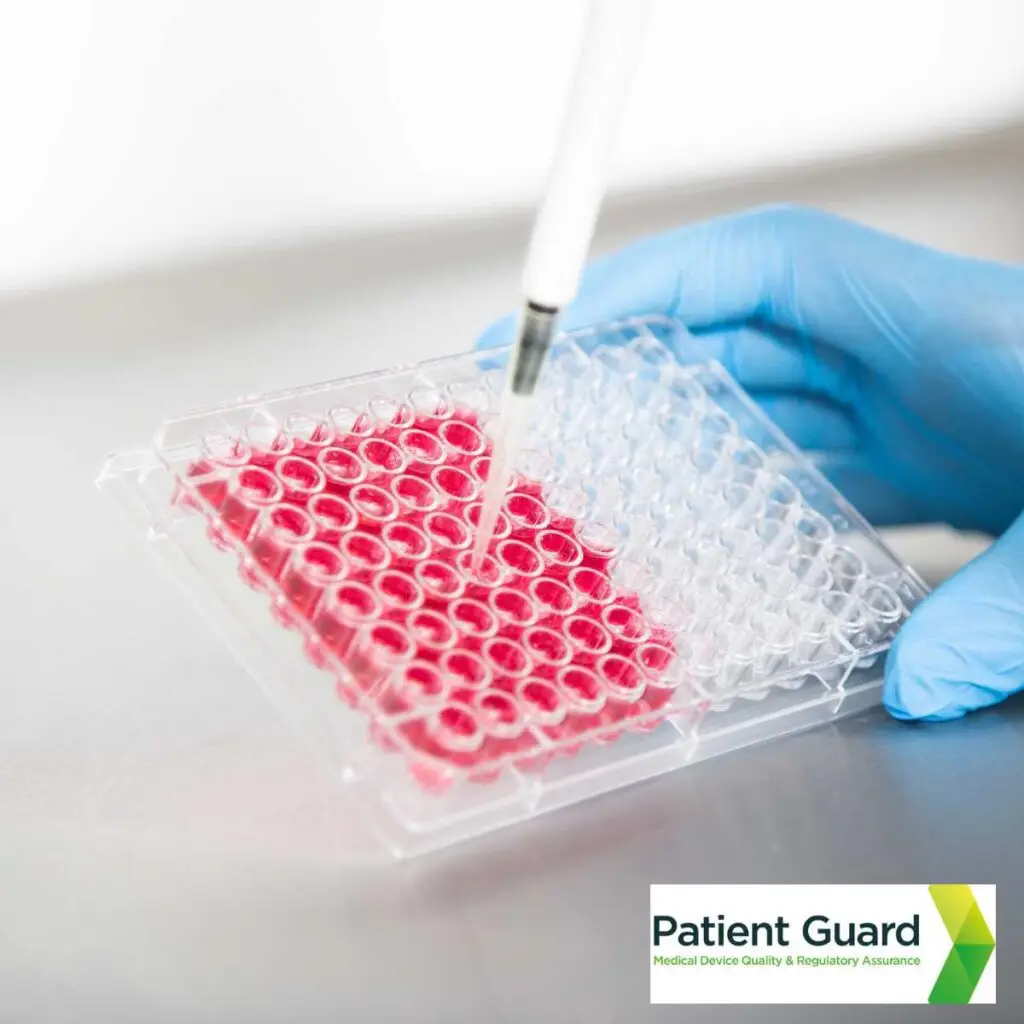
Cytotoxicity Testing in Medial Devices ISO 10993-5

Cytotoxicity Testing in Medical Device Biological Evaluation

In the highly regulated world of medical devices, ensuring patient safety is paramount. One of the essential components of this safety assurance is cytotoxicity testing, specifically adhering to ISO 10993-5 standards. This blog explores the importance of ISO 10993-5 cytotoxicity testing, particularly for medical devices that come into direct contact with patients, and how it contributes to the overall safety and efficacy of these devices.

Cytotoxicity Testing in Medical Device Biological Evaluation Read More »

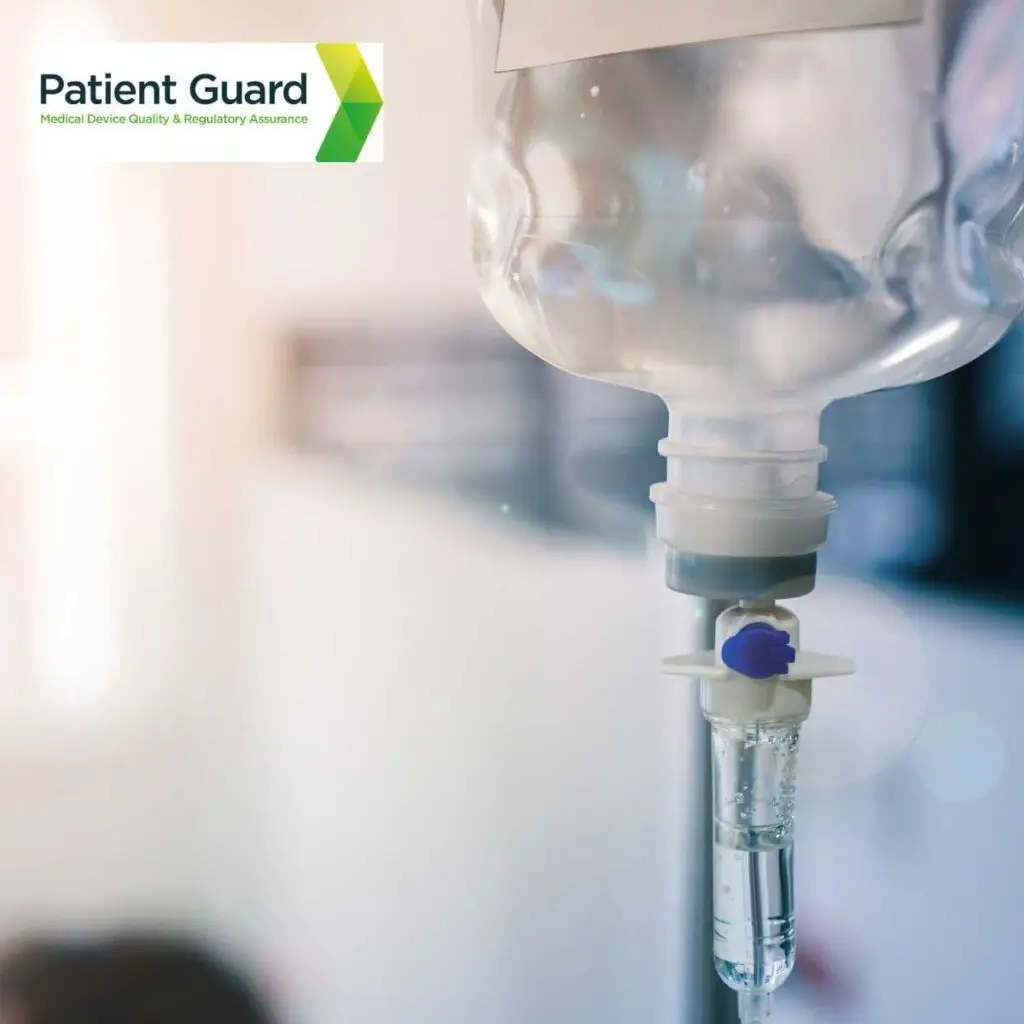
drug Infusion bag

Drug Stability in Medical Devices: Syringes, Infusion Sets and Bags

Ensuring the stability of drugs in contact with medical devices such as syringes, infusion administration sets and infusion administration bags is paramount. This article delves into the importance of drug stability testing, the challenges faced, and the methodologies employed to guarantee that the drugs administered through these devices remain safe and effective.

Drug Stability in Medical Devices: Syringes, Infusion Sets and Bags Read More »

E&L Testing in medical devices

Extractables and Leachables Testing for Medical Devices in ISO 10993

In medical device design and development and manufacturing, ensuring the safety and biocompatibility of products is paramount. As part of the biological evaluation process, extractables and leachables (E&L) testing plays a crucial role. This testing ensures that any chemicals that might migrate from the device materials into the body do not pose a risk to patients. The ISO 10993 standard series provides comprehensive guidelines for the biological evaluation of medical devices, including protocols for E&L testing. In this blog, we will delve into the importance of extractables and leachables testing, its procedures, and its relevance within the ISO 10993 framework.

Extractables and Leachables Testing for Medical Devices in ISO 10993 Read More »

Get the Medical Device Technical Checklist

Thank you! The checklist is now ready to download.

checklist-tablet