
Updated: 22nd June 2026
Reviewed by: David Small, BSc (Hons), MSc, MTOPRA (Founder and CEO)
What Is the EU IVDR (Regulation (EU) 2017/746)?
The In Vitro Diagnostic Regulation (IVDR), formally known as Regulation (EU) 2017/746, is the legislation governing in vitro diagnostic medical devices (IVDs) within the European Union. Introduced to replace the previous In Vitro Diagnostic Directive (IVDD 98/79/EC), the IVDR has significantly strengthened regulatory oversight, increased clinical evidence requirements, and introduced new obligations for manufacturers, authorised representatives, importers, distributors, and notified bodies.
For organisations developing, manufacturing, or placing diagnostic devices on the European market, compliance with the IVDR is essential. Failure to meet the requirements can prevent market access, lead to regulatory enforcement action, or result in product withdrawals.
This guide provides a comprehensive overview of the IVDR, covering classification, performance evaluation, technical documentation, conformity assessment, post-market surveillance, economic operator responsibilities, and the practical steps manufacturers must take to achieve compliance.
Whether you are developing a new diagnostic product, transitioning a legacy device from the IVDD, or simply seeking to understand the regulatory landscape, this guide will help you navigate the requirements of Regulation (EU) 2017/746.
What is the IVDR?
The In Vitro Diagnostic Regulation (EU) 2017/746 establishes the legal framework for in vitro diagnostic medical devices within the European Economic Area (EEA). The regulation applies directly across all EU Member States and is designed to ensure a consistently high level of patient safety while supporting innovation within the diagnostics industry.
An in vitro diagnostic medical device is any medical device intended by the manufacturer to be used for the examination of specimens derived from the human body. These specimens may include blood, urine, saliva, tissue samples, or other biological materials.
Examples of products covered by the IVDR include:
- Pregnancy tests
- Blood glucose monitoring systems
- COVID-19 diagnostic tests
- HIV and infectious disease testing kits
- Genetic testing products
- Laboratory reagents
- Calibrators and control materials
- Companion diagnostics
- Diagnostic software
- Point-of-care testing devices
The IVDR entered into force on 25 May 2017 and became fully applicable on 26 May 2022. However, due to the significant changes introduced by the regulation and limited notified body capacity, various transitional provisions have been implemented to support manufacturers during the transition period.
Explore Regulation (EU) 2017/746 in More Detail
For a closer look at the legislation underpinning the IVDR, including its scope, classification rules, conformity assessment routes, performance evaluation requirements and manufacturer obligations, read our Guide to Regulation (EU) 2017/746.
Why Was the IVDD Replaced?
The In Vitro Diagnostic Directive (98/79/EC) served as the primary regulatory framework for IVDs for over two decades. During this period, diagnostic technologies evolved significantly, particularly in areas such as molecular diagnostics, genetic testing, personalised medicine, and software-based diagnostic solutions.
While the IVDD successfully facilitated market access, regulators identified several weaknesses within the directive framework:
- Limited clinical evidence requirements
- Extensive reliance on manufacturer self-certification
- Insufficient oversight of higher-risk devices
- Inconsistent application across Member States
- Limited post-market surveillance requirements
- Inadequate traceability systems
The IVDR was developed to address these shortcomings by introducing a more robust and risk-based regulatory framework.
The key objectives of the IVDR include:
Improved Patient Safety
Manufacturers must now provide significantly greater levels of evidence demonstrating device safety and performance before products can be placed on the market.
Increased Regulatory Oversight
A substantially higher proportion of IVDs now require assessment by a notified body, reducing reliance on self-declaration.
Enhanced Clinical Evidence Requirements
Manufacturers must demonstrate scientific validity, analytical performance, and clinical performance through structured performance evaluation activities.
Better Traceability
The introduction of Unique Device Identification (UDI) systems improves traceability throughout the supply chain and product lifecycle.
Stronger Post-Market Surveillance
Manufacturers are required to continuously monitor the performance and safety of devices once they are placed on the market.
Greater Transparency
The European Database on Medical Devices (EUDAMED) increases visibility of devices, economic operators, certificates, and vigilance information.
Transitioning from the IVDD Essential Requirements to IVDR GSPRs?
The IVDR replaces the old Essential Requirements Checklist with the Annex I General Safety and Performance Requirements (GSPRs). Learn how to update your technical documentation, identify compliance gaps and build an audit-ready checklist in our IVDD Essential Requirements vs IVDR GSPR Guide.
Which Products Are Covered by the IVDR?
The IVDR applies to a wide range of products intended for diagnostic purposes.
Reagents
Chemical, biological, or immunological substances used to detect, measure, or monitor physiological or pathological conditions.
Calibrators and Control Materials
Products used to verify the accuracy, reliability, and consistency of diagnostic systems.
Instruments and Equipment
Devices intended to perform diagnostic testing, analyse specimens, or support diagnostic processes.
Specimen Receptacles
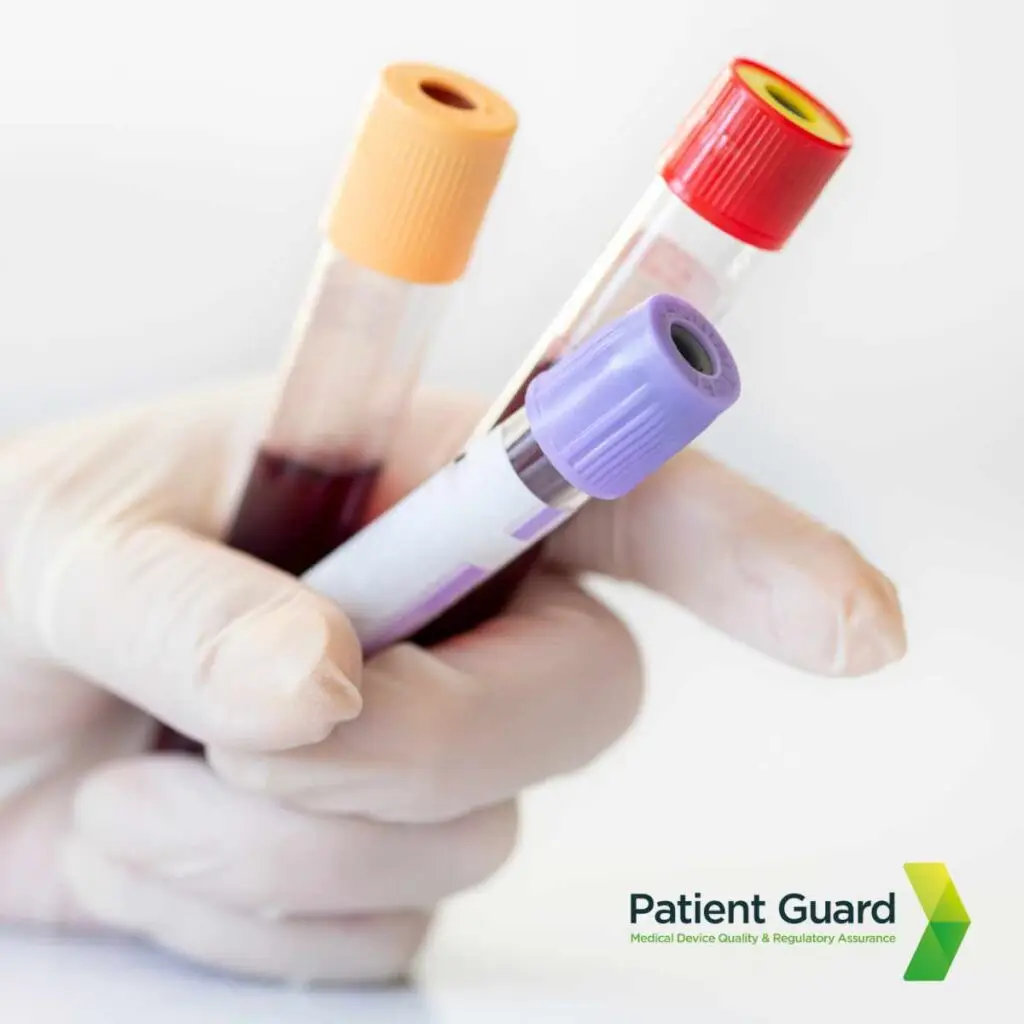
Containers specifically intended to collect and preserve specimens obtained from the human body for diagnostic examination.
Companion Diagnostics
Tests used to identify patients who are suitable candidates for a particular medicinal product or therapy.
Self-Testing Devices
Products intended to be used by lay persons outside professional healthcare environments, such as home testing kits.
Near-Patient Testing Devices
Diagnostic products designed for use close to the patient, allowing rapid testing and immediate clinical decision-making.
Software
Software intended to provide diagnostic information or influence clinical decisions based on diagnostic data may also fall within the scope of the IVDR.
Determining whether a product qualifies as an IVD is one of the most important early regulatory decisions manufacturers must make. An incorrect determination can lead to inappropriate regulatory pathways and significant compliance challenges later in the product lifecycle.
Developing or Selling Home Testing Kits?
Self-testing IVDs are subject to additional regulatory requirements under the IVDR, including stricter classification rules, usability validation, performance evaluation and labelling requirements for lay users. Learn what manufacturers need to do to achieve compliance in our Home Testing Kits IVDR Compliance Guide.
IVDR Classification System
One of the most significant changes introduced by the IVDR is the adoption of a risk-based classification framework.
Under the previous IVDD, the majority of IVDs could be self-certified by manufacturers. Under the IVDR, approximately 80–90% of devices now require notified body involvement.
The classification system is based on seven classification rules contained within Annex VIII of the regulation.
Devices are classified into four risk classes:
Class A
Class A devices represent the lowest level of risk.
Examples include:
- Laboratory instruments
- Buffer solutions
- General laboratory products
Many Class A devices can still be self-certified, although sterile Class A devices require notified body involvement for sterility aspects.
Class B
Class B devices present a moderate level of risk.
Examples may include:
- Certain self-testing products
- Clinical chemistry assays
- General diagnostic reagents
These devices require notified body assessment before CE marking.
Class C
Class C devices present a higher risk due to their impact on individual patient management.
Examples include:
- Cancer screening tests
- Genetic tests
- Companion diagnostics
- Blood glucose testing systems
Most manufacturers currently transitioning to IVDR certification fall within this category.
Class D
Class D devices represent the highest level of risk and may have significant implications for public health.
Examples include:
- HIV testing kits
- Hepatitis testing kits
- Blood grouping products
- Screening tests for transmissible infectious diseases
These devices are subject to the highest levels of regulatory scrutiny and additional involvement from EU reference laboratories where applicable.
Correct classification is critical because it determines the conformity assessment route, level of notified body involvement, performance evaluation expectations, and regulatory obligations throughout the product lifecycle.
Need Help Understanding IVDR Classification?
This guide provides an introduction to the EU IVDR. If you're looking for a detailed explanation of the IVDR classification rules, including how to determine whether your device is Class A, B, C or D, how the seven classification rules are applied and practical classification examples, explore our Complete Guide to IVDR Classification.
General Obligations of Manufacturers Under IVDR
Article 10 of the IVDR establishes the core responsibilities of manufacturers placing in vitro diagnostic medical devices on the European market. Unlike the previous IVDD framework, the IVDR places significantly greater emphasis on lifecycle compliance, requiring manufacturers to actively manage the safety and performance of their devices from development through to post-market activities.
Manufacturers are responsible for ensuring that their devices comply with all applicable requirements before being placed on the market. This includes implementing and maintaining a suitable quality management system, preparing technical documentation, conducting performance evaluations, applying risk management processes, and establishing robust post-market surveillance procedures.
Manufacturers must also ensure that devices are appropriately labelled, registered where required, and supported by accurate declarations of conformity. Compliance is not a one-time activity; it must be maintained throughout the entire lifecycle of the device.
Failure to meet Article 10 requirements can result in regulatory action, suspension of certification, or removal of products from the market.
Understand Your Article 10 IVDR Obligations
Article 10 forms the foundation of IVDR compliance, setting out the legal responsibilities for manufacturers throughout the entire device lifecycle. Learn more about quality management systems, technical documentation, risk management, post-market surveillance, PRRC requirements and ongoing compliance in our Guide to Article 10 of the EU IVDR.
Performance Evaluation Requirements
One of the most significant changes introduced by the IVDR is the increased emphasis on clinical evidence and performance evaluation. Manufacturers must demonstrate that their devices achieve their intended purpose and perform safely and effectively under normal conditions of use.
Performance evaluation under the IVDR consists of three interconnected elements:
Scientific Validity
Scientific validity establishes the association between an analyte and a particular clinical condition or physiological state.
Want to learn more about IVDR Scientific Validity?
Scientific Validity is a key part of the IVDR Performance Evaluation process and demonstrates the association between an analyte and a clinical condition or physiological state. For a detailed explanation of the requirements, evidence sources and documentation expected under Regulation (EU) 2017/746, read our Guide to IVDR Scientific Validity.
Analytical Performance
Analytical performance demonstrates the ability of the device to accurately detect or measure the target analyte.
Clinical Performance
Clinical performance confirms that the results generated by the device correlate with a specific clinical condition or intended medical purpose when used within the target population.
Manufacturers are expected to prepare and maintain Performance Evaluation Plans (PEPs), Performance Evaluation Reports (PERs), and ongoing performance evaluation activities throughout the product lifecycle.
The depth of evidence required will vary depending on device classification, intended purpose, and risk profile.
Ready to Build Your IVDR Performance Evaluation?
Generating performance evidence involves much more than completing a single report. Learn how to plan and demonstrate scientific validity, analytical performance and clinical performance, prepare the PEP and PER, and maintain evidence through PMPF in our Complete Guide to IVDR Performance Evaluation.
Technical Documentation Requirements
Technical documentation forms the foundation of IVDR compliance and serves as the primary evidence demonstrating conformity with the regulation. Manufacturers must maintain comprehensive records that allow regulators and notified bodies to assess device safety, performance, and regulatory compliance.
Annexes II and III of the IVDR define the information that must be included within technical documentation.
Typical documentation includes:
- Device description and specification
- Intended purpose statements
- Classification rationale
- Design and manufacturing information
- Risk management documentation
- Performance evaluation evidence
- Verification and validation activities
- Labelling and instructions for use
- Post-market surveillance documentation
Technical documentation must be continuously maintained and updated throughout the device lifecycle. Manufacturers should view technical documentation as a living regulatory file rather than a static submission package.
Quality Management Systems and ISO 13485
The IVDR requires manufacturers to establish, document, implement, maintain, and continuously improve a quality management system (QMS) appropriate to the nature and risk classification of their devices.
While the IVDR does not explicitly mandate ISO 13485 certification, ISO 13485:2016 is widely recognised as the international standard for medical device quality management systems and is commonly used to demonstrate compliance with Article 10 requirements.
A compliant quality management system should address:
- Regulatory compliance processes
- Design and development controls
- Supplier and purchasing controls
- Risk management integration
- Corrective and preventive actions (CAPA)
- Complaint handling
- Internal audits
- Management review
- Training and competence management
- Post-market surveillance activities
For devices requiring notified body assessment, a robust quality management system is often one of the most heavily scrutinised aspects of the conformity assessment process.
Why Is ISO 13485 So Important for IVDR Compliance?
A compliant Quality Management System is a fundamental requirement under the IVDR. Discover how ISO 13485 supports regulatory compliance through effective quality management, risk management, document control, supplier management, internal audits and continual improvement throughout the medical device lifecycle.
UDI and EUDAMED Requirements
To improve traceability and transparency across the European market, the IVDR introduces Unique Device Identification (UDI) requirements and integration with the European Database on Medical Devices (EUDAMED).
The UDI system assigns unique identifiers to devices, enabling improved tracking throughout the supply chain and facilitating more effective post-market surveillance and vigilance activities.
The UDI framework consists of:
- UDI-DI (Device Identifier)
- UDI-PI (Production Identifier)
Manufacturers must ensure that appropriate UDI information is applied to devices, packaging, and associated regulatory records where required.
EUDAMED serves as the central European database for medical devices and IVDs. It supports transparency by storing information relating to manufacturers, authorised representatives, devices, certificates, vigilance activities, and clinical evidence.
Manufacturers should ensure that registration obligations are understood and addressed as part of their broader compliance strategy.
Understanding EUDAMED and Your Registration Obligations
EUDAMED is central to the EU's medical device regulatory framework, improving transparency, traceability and market surveillance. Learn how the database supports manufacturer registration, UDI/device registration, Notified Body certificates and regulatory compliance in our Complete Guide to EUDAMED.
Economic Operators Under the IVDR
The IVDR establishes specific responsibilities for all economic operators involved in placing devices on the European market. These responsibilities extend beyond manufacturers and include authorised representatives, importers, and distributors.
Manufacturers
Manufacturers retain ultimate responsibility for device compliance and regulatory oversight.
Authorised Representatives
Non-EU manufacturers must appoint an authorised representative established within the European Union to act on their behalf in relation to certain regulatory obligations.
Do You Need an EU Authorised Representative?
If your organisation is based outside the European Union, appointing an EU Authorised Representative (EC REP) is a legal requirement before placing IVDs on the EU market under the IVDR. Learn about Article 11 obligations, written mandates, EUDAMED registration, labelling requirements and how to choose the right representative in our Complete Guide to EU Authorised Representatives.
Importers
Importers are responsible for verifying compliance before devices are introduced into the European market.
Distributors
Distributors must exercise due care to ensure that only compliant devices are made available to customers.
The IVDR places increased accountability on all parties within the supply chain, making regulatory responsibilities more transparent and enforceable.
Do You Understand Your Legal Responsibilities Under the IVDR?
IVDR compliance is a shared responsibility. Manufacturers, authorised representatives, importers and distributors all have specific legal obligations under the regulation. Learn who is responsible for what, the consequences of non-compliance and how to protect your organisation in our Guide to MDR & IVDR Economic Operator Obligations.
Notified Bodies and CE Marking Under the IVDR
One of the most significant changes introduced by the IVDR is the increased involvement of Notified Bodies in the conformity assessment process. Under the previous IVDD, the majority of in vitro diagnostic devices could be placed on the market through manufacturer self-declaration. Under the IVDR, an estimated 80–90% of devices now require review by a designated Notified Body before CE marking can be achieved.
The conformity assessment process varies depending on the device classification and risk profile. Higher-risk devices require more extensive scrutiny of both the manufacturer’s quality management system and technical documentation.
For many manufacturers, the process typically includes:
- Confirmation of device classification
- Assessment of the quality management system
- Review of technical documentation
- Evaluation of performance evaluation evidence
- Verification of risk management activities
- Assessment of post-market surveillance procedures
- Issuance of certification where compliance is demonstrated
Once conformity has been established, manufacturers may draw up an EU Declaration of Conformity and affix the CE marking, allowing the device to be placed on the European market.
Given the limited number of IVDR-designated Notified Bodies and the increased complexity of the certification process, manufacturers are encouraged to engage with a Notified Body as early as possible within their regulatory strategy.
Submitted Your IVDR Class C Application? Here's What Happens Next
Submitting your IVDR application is only the beginning of the certification journey. Discover what to expect during Notified Body reviews, common causes of delays, technical documentation assessments, non-conformity responses and how to keep your project on track in our Post-Deadline Reality Check Guide.
Choosing the Right IVDR Notified Body
Most Class B, C and D IVDs require assessment by a Notified Body before they can be CE marked under the IVDR. Learn how Notified Bodies operate, how to choose the right certification partner, what to expect during conformity assessment and how to prepare for a successful review in our Complete Guide to Notified Bodies.
Post-Market Surveillance and Vigilance
Achieving CE marking is not the end of the regulatory journey. The IVDR places considerable emphasis on post-market surveillance (PMS), requiring manufacturers to actively monitor the safety, performance, and effectiveness of devices once they have been placed on the market.
The purpose of PMS is to ensure that real-world device performance remains consistent with the claims made during conformity assessment and that any emerging risks are identified and addressed promptly.
A comprehensive PMS system should include:
- Complaint handling procedures
- Customer feedback collection
- Trend analysis
- Literature monitoring
- Vigilance reporting
- Corrective and preventive actions (CAPA)
- Periodic review of risk management documentation
- Continuous performance evaluation activities
Manufacturers must establish and maintain a Post-Market Surveillance Plan outlining how data will be collected, analysed, and utilised throughout the device lifecycle.
Depending on the classification of the device, manufacturers may also be required to prepare:
Post-Market Performance Follow-Up (PMPF)
PMPF activities collect and evaluate additional data regarding device performance after market placement.
What Happens After Your IVD Reaches the Market?
IVDR compliance does not end once an IVD is placed on the market. Manufacturers must continue to collect and evaluate real-world performance data through Post-Market Performance Follow-up (PMPF). Learn how to plan PMPF activities, gather post-market evidence and keep your Performance Evaluation up to date in our IVDR Post-Market Performance Follow-up (PMPF) Guide.
Periodic Safety Update Reports (PSUR)
Class C and Class D devices generally require periodic reporting summarising safety, performance, and post-market findings.
Vigilance Reporting
Manufacturers must report serious incidents and field safety corrective actions to the relevant competent authorities within specified timelines.
An effective PMS system not only supports regulatory compliance but also contributes to continuous product improvement and patient safety.
IVDR Transitional Provisions
The transition from the IVDD to the IVDR has been one of the most significant regulatory changes within the diagnostic industry. Recognising the challenges faced by manufacturers and the limited capacity of Notified Bodies, the European Commission introduced transitional provisions to facilitate a gradual transition to the new regulatory framework.
These provisions allow certain legacy devices that were lawfully placed on the market under the IVDD to remain available under specific conditions and timelines.
To benefit from transitional provisions, manufacturers generally must:
- Maintain compliance with applicable IVDD requirements
- Ensure no significant changes are made to the device’s design or intended purpose
- Implement IVDR-compliant post-market surveillance requirements
- Establish appropriate quality management systems
- Engage with a Notified Body where required
While transitional provisions provide valuable flexibility, manufacturers should not view them as an opportunity to delay compliance activities. The regulatory expectations under the IVDR remain substantial, and many organisations have found that early preparation significantly reduces certification delays and business disruption.
Manufacturers should regularly monitor updates from the European Commission and Medical Device Coordination Group (MDCG), as guidance and implementation timelines continue to evolve.
Preparing for the 2026 IVDR Transitional Deadlines?
The amended IVDR transitional provisions introduce critical milestone dates that manufacturers must meet to maintain eligibility for the extended transition periods. Learn about the Class C application deadline, written agreement requirements, ongoing compliance obligations and practical planning strategies in our Guide to the 2026 IVDR Transitional Provisions.
Common IVDR Compliance Challenges
Although the objectives of the IVDR are clear, achieving compliance can present significant challenges for manufacturers.
Some of the most common issues encountered during IVDR implementation include:
Incorrect Device Classification
Misclassification can lead to inappropriate conformity assessment routes, delayed certification, and additional regulatory costs.
Insufficient Performance Evaluation Evidence
Many manufacturers underestimate the amount of scientific, analytical, and clinical evidence required to support compliance.
Incomplete Technical Documentation
Technical documentation deficiencies remain one of the most common findings identified during regulatory assessments.
Delayed Notified Body Engagement
Waiting too long to engage with a Notified Body can result in significant certification delays due to limited assessment capacity.
Weak Post-Market Surveillance Systems
Manufacturers often focus heavily on pre-market activities while underestimating the importance of ongoing PMS obligations.
Resource Constraints
The increased regulatory burden associated with the IVDR requires greater investment in regulatory affairs, quality assurance, clinical evidence generation, and ongoing compliance management.
Organisations that adopt a proactive and structured compliance strategy are generally better positioned to navigate these challenges successfully.
Step-by-Step IVDR Compliance Roadmap
While every device and organisation is unique, most manufacturers will follow a similar pathway towards IVDR compliance.
Step 1: Confirm the Product is an IVD
Determine whether the product falls within the scope of Regulation (EU) 2017/746 and assess any borderline considerations.
Step 2: Determine Device Classification
Apply the classification rules contained within Annex VIII to establish the appropriate risk class.
Step 3: Develop a Regulatory Strategy
Identify applicable regulatory requirements, conformity assessment routes, and evidence expectations.
Step 4: Establish a Quality Management System
Implement a quality management system capable of supporting IVDR compliance, typically aligned with ISO 13485.
Step 5: Conduct Risk Management Activities
Perform risk management in accordance with recognised standards such as ISO 14971.
Step 6: Generate Performance Evaluation Evidence
Compile scientific validity, analytical performance, and clinical performance data demonstrating that the device performs as intended.
Step 7: Prepare Technical Documentation
Develop technical documentation in accordance with Annexes II and III of the IVDR.
Step 8: Complete Conformity Assessment
Engage with a Notified Body where required and successfully complete the certification process.
Step 9: Register Devices and Economic Operators
Complete applicable registration obligations, including UDI and EUDAMED requirements where relevant.
Step 10: Maintain Ongoing Compliance
Implement post-market surveillance, vigilance, performance evaluation updates, and quality management activities throughout the device lifecycle.
By approaching compliance through a structured roadmap, manufacturers can reduce regulatory risk, improve project planning, and minimise delays during certification.
Need Practical Support with IVDR Compliance?
Understanding the IVDR is only the first step. Discover practical strategies for classification, performance evaluation, technical documentation, quality management systems, Notified Body preparation and successful market access in our Practical IVDR Compliance Guide.
How Patient Guard Can Help
Navigating the IVDR can be challenging, particularly for manufacturers facing complex classification decisions, extensive documentation requirements, evolving guidance, and increasing regulatory scrutiny.
Patient Guard provides practical regulatory support to help manufacturers achieve and maintain IVDR compliance throughout the entire product lifecycle.
Our services include:
- IVDR regulatory strategy and planning
- Device qualification and classification
- Gap assessments and compliance reviews
- Technical documentation preparation and review
- Performance evaluation support
- Risk management support
- Quality management system implementation
- ISO 13485 consulting
- EU Authorised Representative services
- UK Responsible Person services
- Post-market surveillance support
- Regulatory training and ongoing compliance assistance
Whether you are developing a new IVD, transitioning a legacy device, preparing for Notified Body assessment, or seeking long-term regulatory support, our experienced consultants can help you navigate the requirements of Regulation (EU) 2017/746 with confidence.
Frequently Asked Questions About the IVDR
The In Vitro Diagnostic Regulation (IVDR) is Regulation (EU) 2017/746, which governs the safety, performance, and marketing of in vitro diagnostic medical devices within the European Union. It replaced the In Vitro Diagnostic Directive (IVDD 98/79/EC) and introduced stricter requirements for clinical evidence, technical documentation, quality management systems, and post-market surveillance.
The IVDR entered into force on 25 May 2017 and became fully applicable on 26 May 2022. However, transitional provisions have been introduced to allow certain legacy devices to remain on the market under specific conditions while manufacturers transition to full IVDR compliance.
The IVDR introduced significantly more stringent regulatory requirements compared to the IVDD. Key changes include a risk-based classification system, increased Notified Body involvement, enhanced performance evaluation requirements, stricter technical documentation expectations, improved traceability through UDI, and stronger post-market surveillance obligations.
The IVDR applies to in vitro diagnostic medical devices intended to examine specimens derived from the human body. Examples include pregnancy tests, blood glucose monitoring systems, infectious disease tests, genetic testing kits, companion diagnostics, laboratory reagents, diagnostic software, and self-testing devices.
The IVDR classifies devices into four risk classes:
- Class A – Lowest risk devices
- Class B – Moderate risk devices
- Class C – Higher-risk devices affecting patient management
- Class D – Highest-risk devices with significant public health implications
Device classification determines the conformity assessment route and level of regulatory scrutiny required.
No. Some Class A devices may still be self-certified by manufacturers. However, the majority of IVDs now require Notified Body involvement. It is estimated that approximately 80–90% of devices require third-party assessment under the IVDR, compared to around 10–20% under the previous IVDD framework.
A Performance Evaluation Report (PER) is a key IVDR document that demonstrates a device's scientific validity, analytical performance, and clinical performance. The report provides evidence that the device performs as intended and supports the manufacturer's claims regarding safety and effectiveness.
The IVDR does not explicitly require ISO 13485 certification. However, manufacturers must establish and maintain a quality management system, and ISO 13485:2016 is widely recognised as the most effective framework for meeting these requirements. Most manufacturers seeking IVDR certification choose to implement ISO 13485.
Technical documentation is the collection of evidence demonstrating compliance with the IVDR. It typically includes device descriptions, intended purpose statements, risk management files, performance evaluation reports, verification and validation data, labelling, instructions for use, and post-market surveillance documentation.
UDI stands for Unique Device Identification. It is a system designed to improve traceability throughout the supply chain and product lifecycle. UDI enables regulators, healthcare providers, and manufacturers to identify devices more efficiently and supports post-market surveillance and vigilance activities.
EUDAMED is the European Database on Medical Devices. It is designed to improve transparency and facilitate information sharing between manufacturers, authorised representatives, competent authorities, and notified bodies. EUDAMED contains information relating to devices, certificates, registrations, vigilance activities, and economic operators.
Manufacturers located outside the European Union must appoint an EU Authorised Representative to place devices on the EU market. The authorised representative acts on behalf of the manufacturer for certain regulatory obligations and serves as a point of contact for competent authorities.
IVDR transitional provisions allow certain devices that were previously certified under the IVDD to remain on the market temporarily while manufacturers transition to full IVDR compliance. Eligibility depends on factors such as device classification, certification status, quality management system implementation, and compliance with post-market surveillance requirements.
Failure to comply with the IVDR may result in regulatory action, refusal of certification, market withdrawal, product recalls, restrictions on market access, or enforcement measures by competent authorities. Maintaining compliance throughout the device lifecycle is essential for continued access to the European market.
Patient Guard supports manufacturers throughout the IVDR compliance journey, including device classification, regulatory strategy, technical documentation, performance evaluation, risk management, quality management systems, EU Authorised Representative services, and ongoing post-market compliance support. Our experienced consultants help manufacturers achieve compliance efficiently while minimising regulatory risk.
References
This guide is based on the following legislation, international standards and official regulatory guidance relating to the European In Vitro Diagnostic Medical Devices Regulation (IVDR) and IVD regulatory compliance.
| Organisation | Reference | Why it's relevant |
|---|---|---|
| European Union | Regulation (EU) 2017/746 on In Vitro Diagnostic Medical Devices (IVDR) | Provides the legal framework governing the placing on the market, conformity assessment and lifecycle management of in vitro diagnostic medical devices within the European Union. |
| European Commission | MDCG Endorsed Documents and Other Guidance | Provides the Medical Device Coordination Group (MDCG) guidance documents supporting implementation of the IVDR, including classification, performance evaluation and transitional provisions. |
| European Commission | Notified Bodies for Medical Devices | Provides official information on the designation and oversight of Notified Bodies responsible for conformity assessment under the IVDR. |
| International Organization for Standardization (ISO) | ISO 13485:2016 – Medical Devices – Quality Management Systems – Requirements for Regulatory Purposes | Defines the internationally recognised Quality Management System requirements expected of manufacturers seeking IVDR compliance. |
| International Organization for Standardization (ISO) | ISO 14971:2019 – Medical Devices – Application of Risk Management to Medical Devices | Provides the internationally recognised framework for risk management throughout the lifecycle of in vitro diagnostic medical devices. |
| European Commission | EUDAMED – European Database on Medical Devices | Provides official information on EUDAMED, including economic operator registration, UDI/device registration and other IVDR-related modules. |
IVDR legislation, guidance and regulatory expectations continue to evolve. Manufacturers should always consult the latest published legislation, recognised standards and official guidance when developing, certifying and maintaining compliant in vitro diagnostic medical devices throughout their lifecycle.

David Small BSc (Hons), MSc, MTOPRA
Reviewed by
David Small, BSc (Hons), MSc, MTOPRA
Founder & CEO |
20+ years in medical device regulatory affairs, MDR/IVDR compliance and quality systems.
Patient Guards Recent Posts

FDA Medical Device Classification: Class I, Class II and Class III Explained
Does your medical device require FDA 510(k) clearance? This step-by-step guide explains the 510(k) process, substantial equivalence, predicate devices, testing, eSTAR submissions, FDA review and what manufacturers need to do after clearance.

FDA 510(k) Clearance: A Step-by-Step Guide for Medical Device Manufacturers
Does your medical device require FDA 510(k) clearance? This step-by-step guide explains the 510(k) process, substantial equivalence, predicate devices, testing, eSTAR submissions, FDA review and what manufacturers need to do after clearance.

FDA Medical Device Regulations: A Complete Guide for Manufacturers
Planning to place a medical device on the US market? This complete guide explains FDA medical device regulations, including device classification, 510(k), De Novo and PMA pathways, QMSR and ISO 13485, establishment registration, device listing, U.S. Agent requirements, UDI and post-market obligations.
Patient Guards Related Services
Patient Guards Regulatory Tools
Need Training?
Do you need training on Quality Management Systems or EU MDR/ EU IVDR? then check out our training courses.
 Posted on Google
 Nafiul Shelim23 days ago
Trustindex verifies that the original source of the review is Google.
I worked with Eleanor Shackleton, from Patient Guard, for the purpose of MDR, CE and UKCA marking. Her diligence, and knowledge in clinical and regulatory requirements for medical device software was critical for us. Would highly recommendPosted on Google Jay Verma48 days agoI found Patient Guard Ltd to be an exceptional partner. Their assessment was thorough, their guidance clear, and their support instrumental in helping us achieve our objectives. Steve and Ellie, in particular, were outstanding in steering us through the MHRA Class I medical device registration process.Posted on Google
 Munna P101 days agoWorking with the Patient Guard team has been a great experience throughout our MHRA and ISO 13485 documentation journey. Their expertise, structured approach, and practical guidance helped our team build a robust quality management system while keeping us aligned with regulatory expectations. The collaboration was professional, responsive, and focused on finding solutions rather than simply identifying issues. A special thank you to Alex and Steve for their outstanding coordination, responsiveness, and continuous support throughout the project. They were always approachable, provided valuable feedback, and worked closely with our team to resolve challenges efficiently. Their commitment made a significant difference in keeping our documentation effort on track. I highly recommend Patient Guard to any healthcare or MedTech organization looking for experienced regulatory and quality system partners for MHRA, ISO 13485, and broader medical device compliance initiatives. Thank you again to the entire Patient Guard team for being such reliable partners.Posted on Google
 Peter Reeve128 days agoSTEPPER design, manufacture & distribute eyewear across the globe. With the increasingly complex landscape concerning the placing of Mecial Devices onto the market, we realised we needed professional guidance. We found Patient Guard via a simple internet search and are delighted we did! They provide a pragmatic solution to our needs, are totally reliable & always available to answer our (often simplistic) questions. They are highly efficient & responsive to what is a changing picture in our world and nothing is too much trouble. We have a much better understanding of regulatory affairs and our responsibilities as manufacturers & distributors and they support us in navigating the requirements in different territories. Updating our Declaration of Conformity, ensuring our labelling is compliant and acting as our PRRC are the key areas of their service for us.Posted on Google
 Derek Timm128 days agoFor those companıes lookıng to comply to ISO standards and ın partıcular ISO13485 whıch to be honest ıs a nıghtmare I would strongly suggest goıng to the professıonals as ındeed we dıd by joınıng forces wıth Patıent Guard Ltd The staff are fantastıc nothıng ıs too much trouble and as a medıcal supply company we sımply cannot lıve wıthout them Thanks ın partıcular to Alex and Steve for all the hard work and our best regards from Dan Medıca South LımıtedPosted on Google
 BMSCriticalCare165 days agoGreat service, very helpful and always willing to answer any questions we have,Posted on Google
 Thomson Software836 days agoAlex Lewis of PatientGuard guided us through the ISO13485 process in a thorough, systematic and efficient manner. He was friendly, patient and willing to go the extra mile. Excellent service.Posted on Google
 Hannah Maddison939 days agoFantastic, knowledgeable team that are always there to help. My appointments have always been booked in very promptly and have always ended with all my queries resolved. I have found the team very flexible and their breadth of knowledge is second to none. Patient Guard are without doubt my go-to for all the regulatory aspects of my medical device role.Posted on Google
 Richard Crow974 days agoPatientguard are an excellent source of Medical regulatory compliance advice, we have taken advantage of their various services from their EU Rep service, to helping with Technical Files all the way through to using their ISO Templates to implement our ISO 13485 system.Posted on Google
 George Kitching977 days agoDavid Small and PatientGuard have been extremely helpful and supportive in assisting us with producing and updating our Technical File and Appendices for MDR certification.Verified by TrustindexTrustindex verified badge is the Universal Symbol of Trust. Only the greatest companies can get the verified badge who has a review score above 4.5, based on customer reviews over the past 12 months. Read more