Blog

Medical Devices Classification - This is an illustration of a hand under an x-ray. The hand shows the bones of the hand. This image is used by patient guard to demonstrate an example of a class IIb medical device.

Medical Device Classification EU

In the EU Medical Devices are categorised into 7 classes, these are Class I, Class Is (sterile), Class Im (measuring), Class Ir (reusable surgical tools), Class IIa, Class IIb and Class III.  

Class I devices are considered to be of low risk, Class II devices as medium risk and Class III devices as high risk. 

Depending on the classification of device determines the regulatory conformity pathway that needs to be taken to gain compliance and allow manufacturers to place product on the EU market. 

Medical Device Classification EU Read More »

Medical Devices Classification - This is an illustration of two contact lenses. This image is used by patient guard to represent an example of class IIa medical devices.

Medical Devices Classification UK

In the UK Medical Devices are categorised into 7 classes, these are Class I, Class Is (sterile), Class Im (measuring), Class Ir (reusable surgical tools), Class IIa, Class IIb and Class III.  

Class I devices are considered to be of low risk, Class II devices as medium risk and Class III devices as high risk. 

Depending on the classification of device determines the regulatory conformity pathway that needs to be taken to gain compliance and allow manufacturers to place product on the UK market. 

Medical Devices Classification UK Read More »

IVD

IVD Directive Essential Requirements vs. IVDR GSPR: How to Transition Your Checklist

The shift from the In Vitro Diagnostic Directive (IVDD 98/79/EC) to the In Vitro Diagnostic Regulation (IVDR EU 2017/746) represents a fundamental overhaul of how technical files are structured. Under the legacy Directive, manufacturers relied on an Essential Requirements Checklist to demonstrate safety and performance. Under the IVDR, this has been completely replaced by the General Safety and Performance Requirements (GSPRs) found in Annex I.

If you are updating a legacy device technical file or migrating a quality management system, you cannot simply copy and paste your old compliance arguments. The GSPRs require a much higher degree of clinical evidence, lifecycle risk tracking, and technical specificity.

IVD Directive Essential Requirements vs. IVDR GSPR: How to Transition Your Checklist Read More »

ISO 9001 QMS

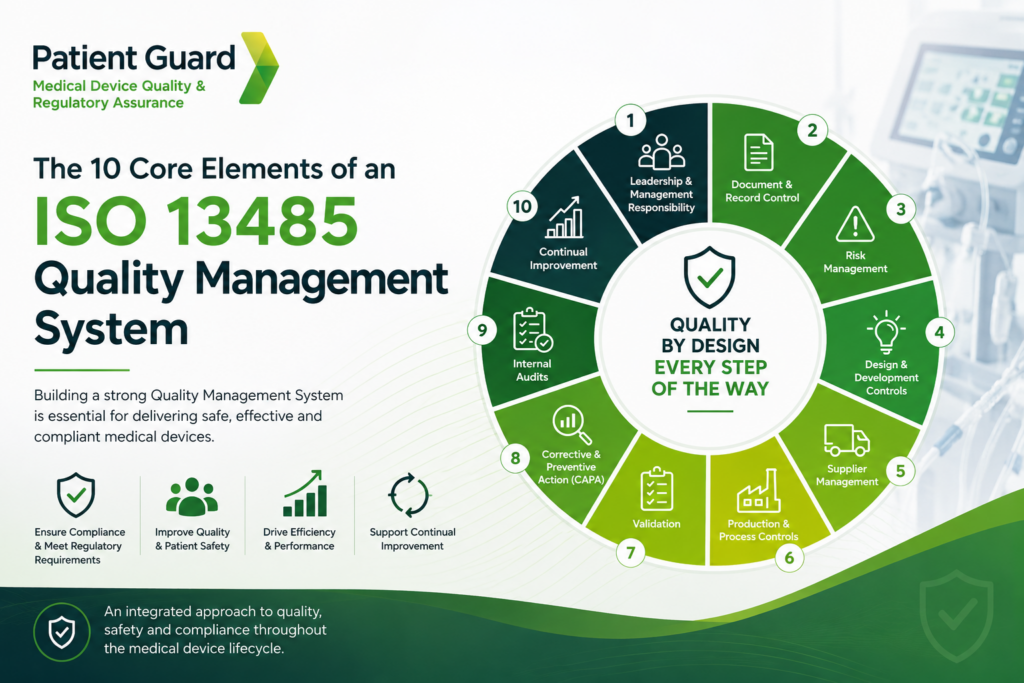
The Benefits of ISO 9001 Quality Management System

A robust Quality Management System (QMS) isn’t just an administrative requirement—it is a strategic blueprint for scaling your operations and reducing risk. Whether you are establishing a foundational framework under ISO 9001 or navigating the specialized, compliance-heavy requirements of medical device sectors, understanding how a QMS drives efficiency is critical. Explore the 10 core business benefits of implementing a world-class quality framework and the step-by-step path to achieving accredited certification

The Benefits of ISO 9001 Quality Management System Read More »

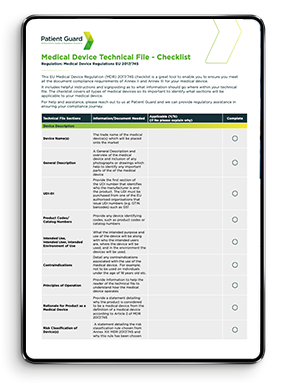
Get the Medical Device Technical Checklist

Thank you! The checklist is now ready to download.

checklist-tablet