Client Questions

Electrical safety testing of a medical device in accordance with IEC 60601-1 requirements.

Electrical Safety Testing and Validation for Medical Devices

Electrical safety testing is essential for demonstrating the safety and performance of electrically powered medical devices. This guide explains IEC 60601-1, EMC testing, risk management, applicable standards and the evidence manufacturers need to support regulatory compliance in the UK, EU and other major markets.

Electrical Safety Testing and Validation for Medical Devices Read More »

Software as a Medical Device (SaMD)

Software as a Medical Device (SaMD): Regulatory & Development Guide

Software as a Medical Device (SaMD) has fundamentally changed the clinical landscape. From AI-driven diagnostic image scanning to standalone smartphone apps used for real-time clinical decision-making, digital health tools are scaling faster than ever. However, understanding exactly how SaMD is regulated, classified, and maintained is critical to securing market access under current MHRA and EU Notified Body expectations.

Software as a Medical Device (SaMD): Regulatory & Development Guide Read More »

Hero image illustrating the process of determining whether a product is a medical device, featuring examples of medical and non-medical products alongside CE Marking and UKCA symbols, highlighting intended purpose, mode of action, medical claims, borderline products and the regulatory pathway under the EU MDR and UK Medical Devices Regulations.

Is My Product a Medical Device? How to Determine Whether the EU MDR or UK Regulations Apply

Determining whether your product is a medical device is the first and most important step towards regulatory compliance. This guide explains how regulators assess intended purpose, mode of action and medical claims, helping you understand whether your product falls within the scope of the EU Medical Device Regulation (MDR), the UK Medical Devices Regulations or the IVDR. Whether you’re developing software, wearable technology, wellness products, cosmetics or innovative healthcare solutions, this article will help you identify the correct regulatory pathway and avoid common classification mistakes.

Is My Product a Medical Device? How to Determine Whether the EU MDR or UK Regulations Apply Read More »

Medical device Quality Assurance specialist supporting ISO 13485 compliance through Quality Management Systems, risk management, audit readiness and regulatory compliance.

Medical Device Quality Assurance Support: Why Outsourcing ISO 13485 Expertise Makes Sense

Quality Assurance (QA) plays a critical role in ensuring medical devices remain safe, effective and compliant throughout their lifecycle. Whether you are implementing ISO 13485, preparing for MDR or IVDR certification, responding to audit findings or scaling your business, outsourced QA support provides the expertise needed to maintain regulatory compliance without the cost of a full-time quality department.

Medical Device Quality Assurance Support: Why Outsourcing ISO 13485 Expertise Makes Sense Read More »

Hero illustration representing artificial intelligence in medical devices, featuring AI-powered diagnostics, medical imaging, robotic surgery, wearable health technology and connected healthcare.

Artificial Intelligence in Medical Devices Explained: Applications, Benefits and Future Trends

Artificial intelligence is transforming the medical device industry, enabling faster diagnoses, more personalised treatments and smarter connected healthcare. Discover how AI is being used in modern medical devices, the technologies driving innovation and the future of intelligent healthcare.

Artificial Intelligence in Medical Devices Explained: Applications, Benefits and Future Trends Read More »

Illustration of an IVD Essential Requirements Checklist showing the transition from the IVDD Essential Requirements to the IVDR General Safety and Performance Requirements (GSPRs) for in vitro diagnostic medical devices.

IVD Essential Requirements Checklist: Transitioning to IVDR GSPRs

The shift from the In Vitro Diagnostic Directive (IVDD 98/79/EC) to the In Vitro Diagnostic Regulation (IVDR EU 2017/746) represents a fundamental overhaul of how technical files are structured. Under the legacy Directive, manufacturers relied on an Essential Requirements Checklist to demonstrate safety and performance. Under the IVDR, this has been completely replaced by the General Safety and Performance Requirements (GSPRs) found in Annex I.

If you are updating a legacy device technical file or migrating a quality management system, you cannot simply copy and paste your old compliance arguments. The GSPRs require a much higher degree of clinical evidence, lifecycle risk tracking, and technical specificity.

IVD Essential Requirements Checklist: Transitioning to IVDR GSPRs Read More »

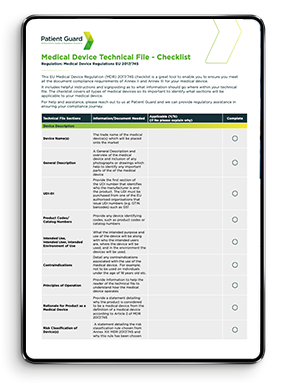
Get the Medical Device Technical Checklist

Thank you! The checklist is now ready to download.